Three months into parental leave, I did something that felt almost strange for a growth investor: I trimmed my two biggest winners of the year. Portfolio rebalancing during a season with no salary coming in isn’t about chasing the next big thing — it’s about matching your risk to your life stage. Here’s exactly how I reshaped my holdings, and why.
The Big Shift: Taking Profits on My Two Highest-Conviction Bets
For most of this year, IonQ (quantum computing) and Rocket Lab (space) were my largest individual positions and my biggest winners. I believed in both theses — IonQ for the future of quantum computing, Rocket Lab for the future of the space sector — and I still do. But belief in a theme and the right position size for your life circumstances are two different questions.
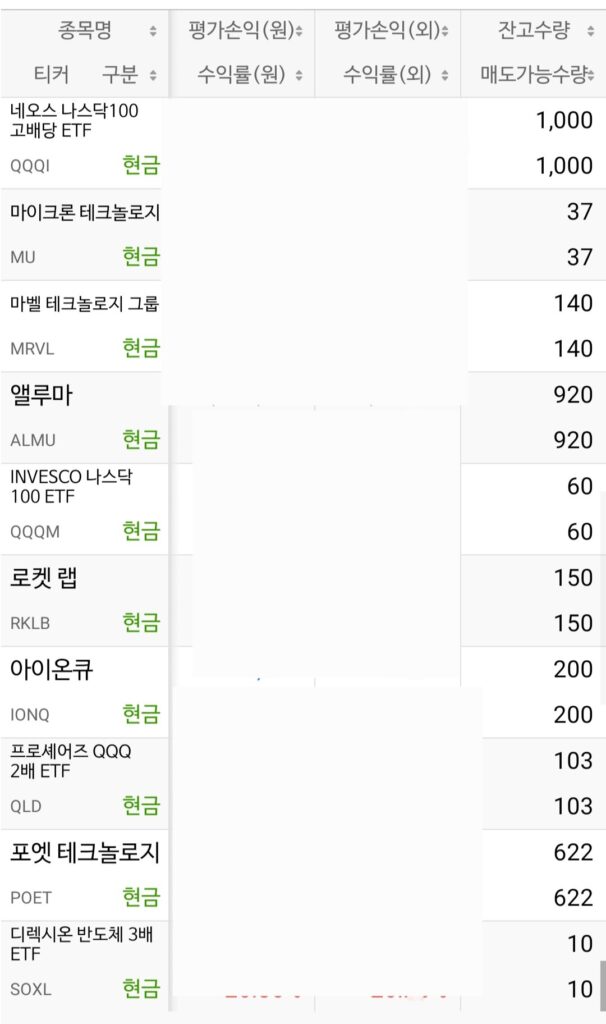
With no paycheck landing during my leave, I made a deliberate call: take profits on the two highest-volatility names and redeploy that capital into something steadier. So I sold down IonQ and Rocket Lab and used the proceeds to build up Micron and Marvell, two established semiconductor players riding the AI memory and networking wave. The portfolio snapshot tells the story clearly — Micron is up 21.6% and Marvell 12.3% in dollar terms, while my remaining IonQ position sits at a small loss and Rocket Lab has cooled from its highs. This wasn’t about market timing; it was about aligning my book with a season of life where I can’t afford wild swings.
Why Semiconductors, Specifically
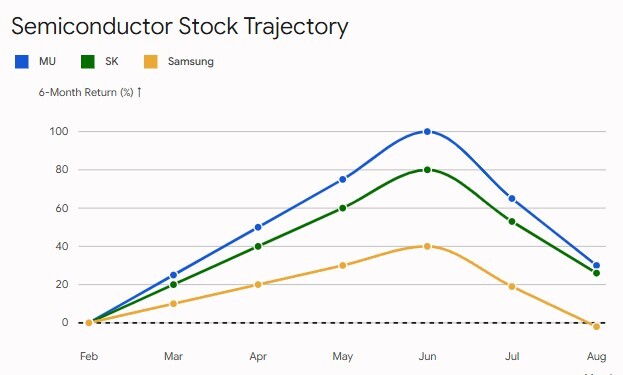
The redeployment wasn’t random — it was a rotation within tech, not out of it. Micron and Marvell sit at the center of the AI infrastructure buildout: Micron in AI memory (HBM and DRAM), Marvell in custom AI silicon and data-center networking. Both are large, profitable, cash-generative companies riding the same secular trend that IonQ and Rocket Lab represent in their own speculative corners — but with far more established businesses, real earnings, and less binary outcomes. During parental leave, “still exposed to AI growth, but through steadier hands” was exactly the trade-off I wanted.
The High-Risk, High-Reward Sleeve I’m Keeping On Purpose
I haven’t abandoned speculation entirely — I’ve just concentrated it into positions I understand deeply and I’m willing to lose on. Two names anchor this sleeve: Aeluma (ALMU) and POET Technologies (POET).
Aeluma is a genuine deep-tech bet. The company is developing technology to bond indium phosphide (InP) — a compound semiconductor prized for its optical properties — onto large silicon wafers, enabling mass production of high-performance optical sensors and communication chips at a fraction of the cost of traditional small InP wafers. If it works at scale, it could help solve a real bottleneck in AI data-center optical interconnects. POET Technologies plays in a similar lane: optical engines for the same AI/data-center interconnect boom. I hold both fully aware they’re currently underwater (Aeluma down about 4% in won terms, POET down nearly 12%) precisely because they’re high-risk, high-reward photonics plays on the optical-communication tailwind — not core holdings, but calculated, sized-to-lose bets on a technology theme I find genuinely compelling.
Rounding out the growth side, my remaining IonQ (200 shares) and Rocket Lab (150 shares, after trimming from 600) stay in the portfolio as smaller “runners” — quantum computing and the space sector are theses I still believe in for the long run, just not at the size I held them going into leave.
The Ballast: Nearly $50,000 in Korean Covered-Call Income
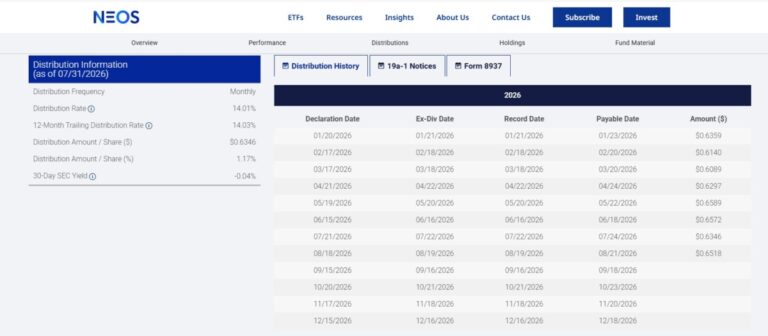
The other half of this rebalancing story is income, not growth. Alongside my 1,000 shares of QQQI, I hold roughly 70 million won — about $47,000 (at 1,500 won to the dollar) — split between two Korea-listed, KOSPI 200-tracking covered-call ETFs: KODEX 200 Target Weekly Covered Call and SOL 200 Target Weekly Covered Call. These generate steady monthly distributions that don’t depend on any single stock’s earnings report or launch schedule. In a portfolio that still holds real speculative bets, this income sleeve is the anchor that lets me sleep at night.
The Numbers Behind the Rebalancing
As of today, my account shows a purchase cost of about 315 million won against a current value of about 350 million won — a gain of roughly 34 million won, or 10.78%. What I find most telling isn’t the total return; it’s the shape of the portfolio underneath it. The largest gainers are now Micron (+21.6%), Marvell (+12.3%), and QQQM (+18.7%) — all comparatively steady, income-or-earnings-backed names. My speculative losers (Aeluma, POET) are single-digit-to-low-double-digit drawdowns, not portfolio-threatening ones, because I sized them that way on purpose.
The Bigger Lesson: Risk Sizing Follows Life Stage
Here’s what I’d want any reader to take from this. It’s not that quantum computing or space stocks are bad ideas — I still hold both and still believe in the themes. It’s that position size should track your life circumstances, not just your conviction. When I had a salary, I could afford to let IonQ and Rocket Lab run large. Without one, I needed a portfolio that could absorb a bad month without threatening our family’s finances. Trimming winners and rotating into steadier semiconductor names, while keeping the option-income sleeve intact, was how I re-balanced risk to match my season of life — without abandoning growth altogether.
Final Thoughts
Portfolio rebalancing isn’t always about chasing the hottest new theme. Sometimes it’s about honestly assessing what your life can currently absorb, and building a structure — steady core, calculated speculative sleeve, dependable income — that lets you stay invested through both the smooth months and the shaky ones. That’s exactly what I built going into the second half of my parental leave.
Investment Disclaimer
This article reflects personal experience and opinions only. It is not financial, investment, tax, or legal advice, and I am not a licensed financial advisor. The specific holdings and allocations described are my own and not recommendations to buy or sell. Micro-cap and speculative technology stocks like Aeluma and POET Technologies carry substantial risk, including the potential loss of the entire investment, and covered-call ETFs carry risks including capped upside and potential erosion of principal. Past performance does not guarantee future results, and all investing carries the risk of loss, including the loss of your entire principal. Please do your own research and consult a qualified, licensed professional before making any investment decision.